Neck pain that lasts for months and is joined by weakness in the arms and legs is not ordinary neck pain. In this case, treated by our Neurology & Neurosurgery team, it was a fracture at the very top of the spine.
The patient
A 55-year-old woman came to Ethio Tebib Hospital with chronic neck pain and progressive weakness in her arms and legs over three months. On examination she had upper motor neuron signs, including a positive Hoffmann reflex on both sides, which points to pressure on the spinal cord rather than a problem in the muscles themselves.
The diagnosis
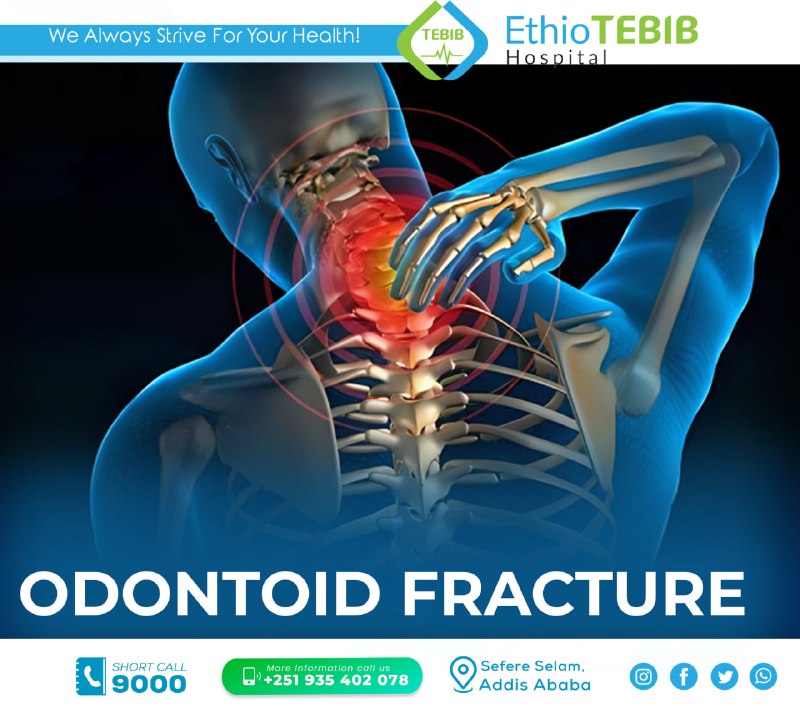
A cervical CT scan confirmed a Type II odontoid fracture with C1/2 subluxation. The odontoid, also called the dens, is the peg of bone that the first neck vertebra pivots around when you turn your head. A fracture there can make the joint unstable, and the spinal cord runs directly behind it. An unstable fracture at this level is dangerous: a fall or a sudden movement can injure the cord.
The operation
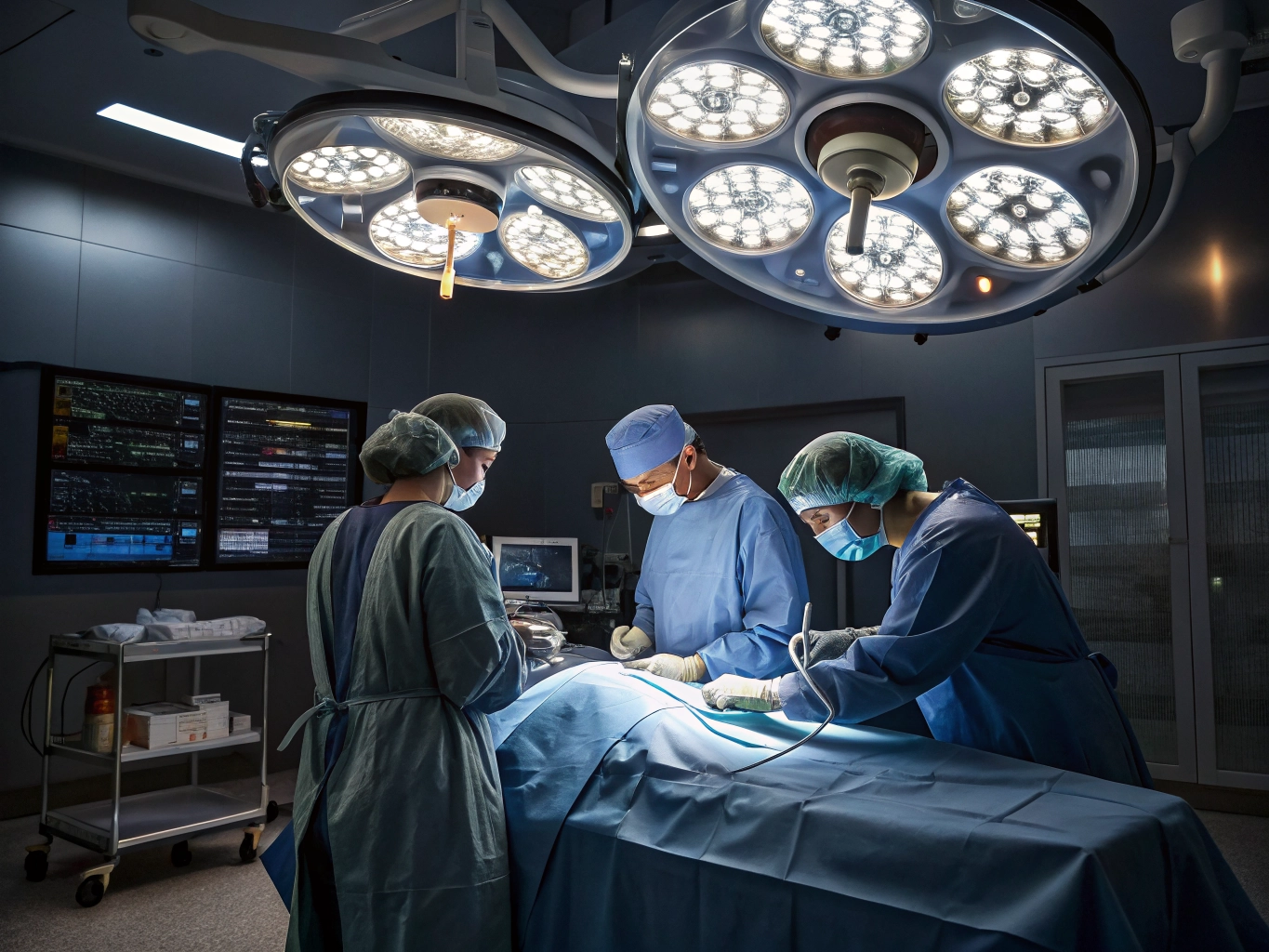
She underwent posterior C1/2 fusion with C1 lateral mass and C2 pars screw fixation. Working from the back of the neck, the surgeons placed screws into the first and second vertebrae, connected them with rods, and added bone graft so that the two vertebrae heal into one solid unit. Precise placement matters, because the vertebral artery and the spinal cord are both close by, so the screws are positioned with careful intraoperative imaging.
Recovery
The operation was uneventful, with stable vital signs, minimal blood loss and good pain control. She was mobilised in a cervical collar and discharged in improved condition with follow-up arranged.
What this means for patients
Odontoid fractures often follow a fall, sometimes a minor one, and in older adults they can be missed at first. Persistent neck pain after a fall, especially with any weakness, numbness, clumsiness of the hands or difficulty walking, should be imaged. Fusion surgery restores stability and protects the spinal cord.
The team behind this case
This case was managed by Dr. Samson Assefa, Neurosurgeon, and Dr. Seyum Debebe, Neurosurgeon, with the neurosurgical team at Ethio Tebib Hospital.
Book a consultation
If you or a family member needs specialist assessment, you can book an appointment online or call our short code 9000, open 24 hours. Ethio Tebib Hospital is on the road to Kolfe, Sefere Selam, Addis Ababa.